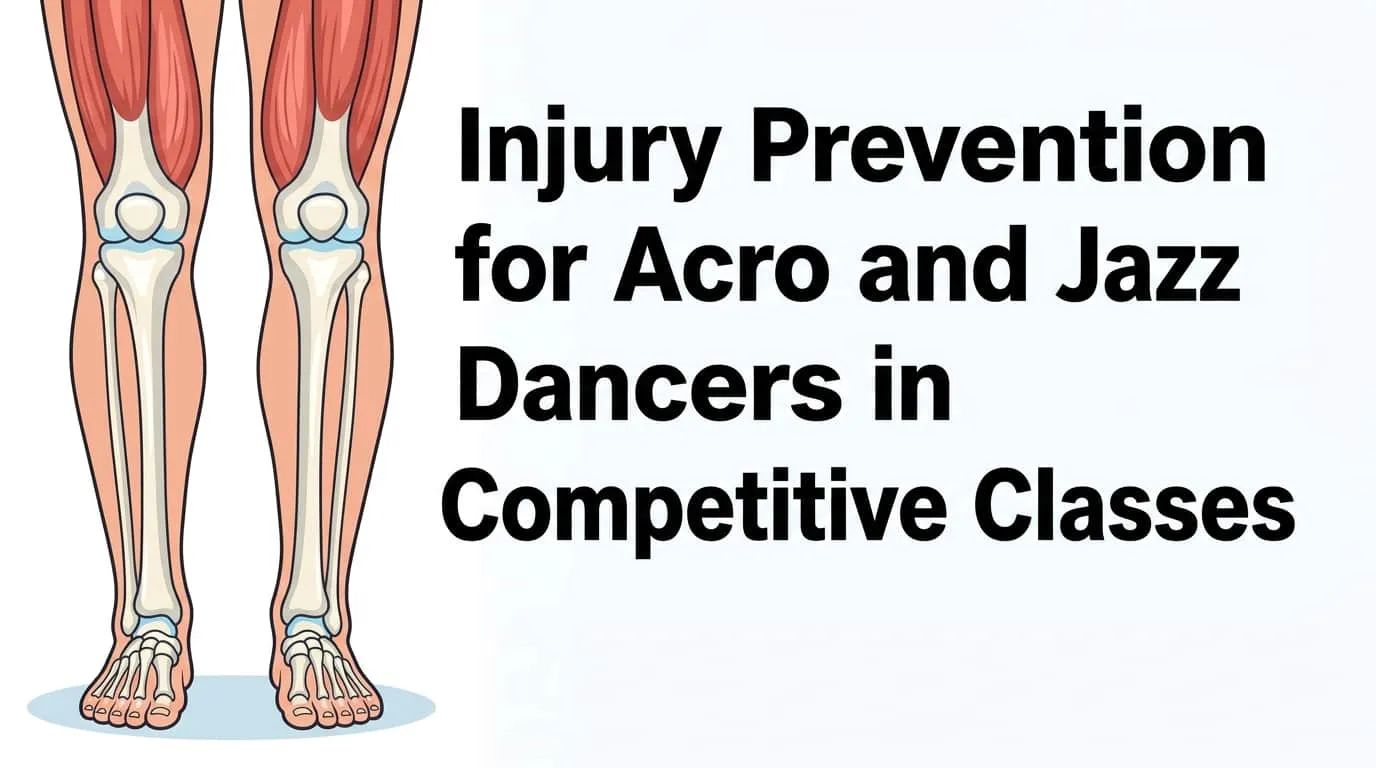
Parents in Central Florida know that acro and jazz dance require incredible passion and precision. Competitive dance also comes with the inevitable risk of physical injuries. We prioritize your child's physiology and safety completely over rushing them into dangerous tricks. If you want a studio that puts your child's health first, contact Turning Pointe - A Dance Studio at (407) 862-5500. Proactive injury prevention keeps dancers thriving in high-impact styles. This guide explains the practical strategies we use to protect your dancer.
What Are the Physical Demands of Acro and Jazz Dance?
Acro and jazz dance demand intense strength, flexibility, and control from young athletes. Acro requires constant upper body support and spinal mobility, while jazz involves high-impact jumps and rapid directional changes. Understanding these specific physical requirements helps us build targeted prevention strategies for your dancer.
Acro Dance Requirements and Risks
Acrobatics requires a unique blend of strength, extreme flexibility, balance, and physical control. In our 30 years teaching dance classes, we find that acro places heavy demands on the upper body. Common injury areas include the wrists, shoulders, neck, and lower back. These issues usually stem from repetitive tumbling and contortion elements.
Jazz Dance Demands
Jazz features high-impact movements that challenge the lower body. Dancers constantly execute explosive jumps, fast turns, and quick changes of direction. The most common injury areas in jazz are the ankles, knees, and hips. These joints take the brunt of repetitive stress and sudden landings.
The Competitive Factor
Competitive dance ramps up the intensity and pressure. Dancers spend more hours in the studio perfecting their routines. This added volume means fatigue can set in quickly. Tired muscles offer less support to joints, making proper conditioning absolutely necessary.
How Do We Build the Pillars of Injury Prevention?
We build injury prevention through structured warm-ups, targeted strength conditioning, safe flexibility training, and proper nutrition. A dancer who warms up properly for 15 to 20 minutes reduces their injury risk by up to 40 percent. These four pillars create a resilient body that handles the stress of competitive dance.
Proper Warm-up and Cool-down
Every class must start with a dynamic warm-up to elevate the heart rate and prepare muscles for action. We save static stretching for the end of class. A gradual cool-down lasting 5 to 10 minutes helps maintain flexibility and aids in muscle recovery.
Strength and Conditioning
Core strength acts as the powerhouse for all dance movement. We focus heavily on targeted muscle strengthening for the ankles, knees, hips, shoulders, and wrists. We also encourage cross-training. Activities like swimming, Pilates, or yoga provide balanced muscle development outside the studio.
Safe Flexibility Training
Acro elements require a mix of active and passive flexibility. We strictly avoid the dangers of overstretching. Pushing a tight muscle too far causes micro-tears that take weeks to heal. Instead, we teach consistent, mindful stretching routines that promote safe progression over time.
Nutrition and Hydration
Food fuels the dancer's body for energy and tissue repair. Young athletes need a balance of protein, complex carbohydrates, and healthy fats. Staying hydrated throughout rehearsals and performances is just as vital. A dehydrated muscle cramps easily and tears faster.
Why Do Technique and Biomechanics Keep Dancers Safe?
Proper technique ensures a dancer's joints and muscles absorb impact safely. When a dancer lands a jazz leap with correct alignment, they protect their knees from severe strain. Rushing into advanced tricks with poor form is the leading cause of dance injuries in competitive programs.
Correct Alignment and Form
Professional instruction guarantees dancers learn correct alignment from day one. We watch closely to recognize and correct common technical flaws. Fixing a dropped arch or a misaligned knee early prevents chronic pain down the road.
Progressive Skill Development
We never rush new tricks or difficult choreography. Our instructors require students to master the basic fundamentals before advancing. We use hands-on spotting techniques for all new acro skills and partner work to keep dancers secure.
Listening to Your Body
Dancers must learn to differentiate between normal muscle soreness and actual pain. "Dancing through pain" causes severe, long-term damage. We encourage open communication between dancers, instructors, and parents. If something hurts, we stop and assess the situation immediately.
How Do Environmental Factors Affect Dance Safety?
The right physical environment prevents acute and chronic injuries in dancers. Proper footwear supports arches, while a professional sprung floor absorbs up to 50 percent of the shock from jumping. Dancing on hard concrete at home dramatically increases the risk of shin splints.
Appropriate Footwear and Attire
Jazz shoes must support the ankles and arches properly. Worn-out shoes offer zero shock absorption. We also require form-fitting attire that allows total freedom of movement without restricting blood flow or hiding the dancer's physical alignment from the teacher.
Dance Surface Considerations
Our studio in the Springs Plaza features professional sprung floors. These floors provide vital shock absorption for growing joints. We constantly remind students to avoid practicing their leaps or tumbling passes on hard or uneven surfaces at home.
Rest and Recovery
Adequate sleep provides necessary physical and mental restoration. We teach active recovery strategies like foam rolling and gentle massage. During long rehearsal periods, we schedule mandatory water and rest breaks. A rested dancer is a safe dancer.
Who Plays a Role in Dance Injury Prevention?
Keeping dancers safe requires a dedicated team effort from instructors, parents, and healthcare professionals. Instructors teach safe technique, parents enforce healthy habits at home, and medical experts provide treatment when needed. We all work together to protect your child.
Dance Instructors
Our staff undergoes rigorous training in safe spotting and teaching progressions. We create a strict culture of safety and injury awareness. We never pressure a student to perform a skill they aren't physically ready to execute.
Parents at Home
Parents play a huge role in supporting healthy habits at home. Keep an eye on their sleep schedule and nutrition. Advocate for your dancer's well-being. If they complain of sharp joint pain after school in Wekiva Springs, take it seriously.
Healthcare Professionals
Sometimes injuries still happen. Know when to seek advice from a physical therapist or sports medicine doctor. A professional evaluation typically costs $150 to $300, but it provides an exact recovery timeline. Follow their medical advice exactly before returning to full activity.
The Bottom Line on Keeping Your Dancer Safe
We want your child to enjoy a long, healthy experience in our dance classes Longwood, Florida. Proper technique, physical conditioning, and a supportive environment make all the difference. We focus on building strong foundations rather than risking their health for a quick trophy.
Are you looking for a supportive environment that values your child's physical health? We are proud to welcome families from Sabal Point, Longwood, and all across the local area. To enroll in dance classes Longwood, Florida at a studio that truly cares, contact Turning Pointe - A Dance Studio at (407) 862-5500. You can also learn more about our full programs by visiting Turning Pointe - A Dance Studio.