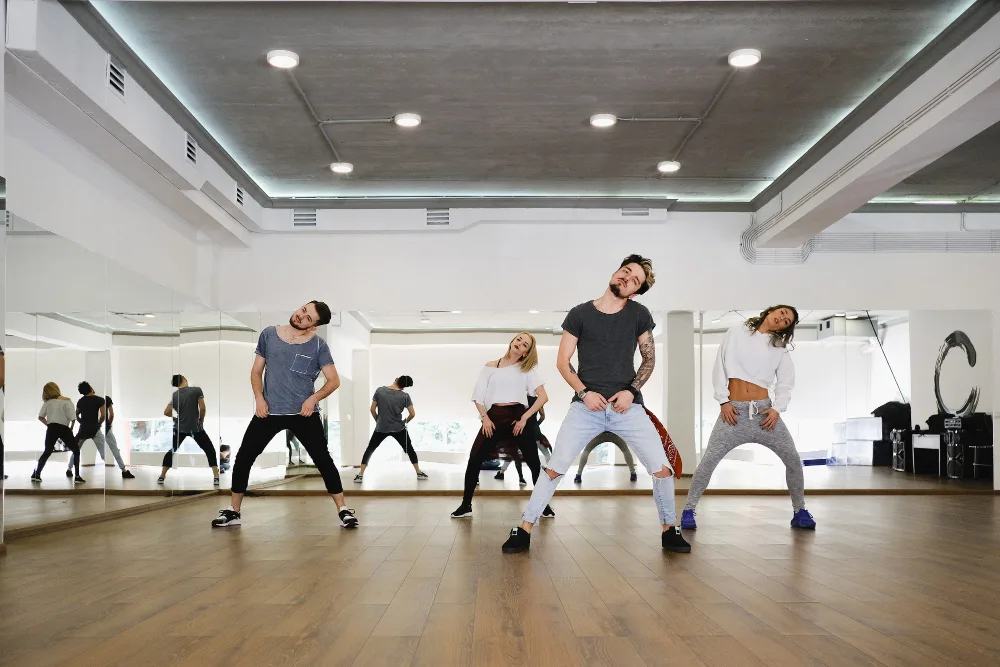
Watching a professional dancer perform at the Dr. Phillips Center can make everything look easy. The jumps feel light, and the turns seem perfectly smooth. But behind that elegance is intense physical effort. Dance demands strength, flexibility, endurance, and strong artistic control, combining athletic training with creative expression.
Whether you’re searching for dance classes for a young child or helping a teen improve their technique, understanding how these movements work changes the way you see dance. Many people ask what the hardest move is. The truth is, difficulty depends on the dancer. Still, some techniques are widely considered the most challenging by dancers here in Seminole County.
What actually makes a dance move difficult?
Before naming specific tricks, we have to look at the ingredients that make a move challenging. Why is a triple pirouette harder for some than a back handspring? It usually comes down to four distinct pillars of dance.
Physical Requirements
Dance demands a unique blend of strength, flexibility, and endurance. Some tricks require explosive power, like a box jump in hip hop. Others require sustained, isometric strength, like holding an arabesque in ballet. If a dancer lacks the core strength to hold their center, even simple moves become difficult.
Technical Precision
This is about alignment and physics. In genres like ballet and jazz, being just an inch off your center of gravity can cause a fall. Coordination is also key; rub your stomach and pat your head, then try to do it while spinning on one foot and smiling. That is the level of coordination advanced dance requires.
Mental Fortitude
This is often the overlooked factor. Fear is a major hurdle in acrobatics and tumbling. Trusting your body to catch you during a flip takes immense courage. Furthermore, the memory required to learn complex choreography quickly is a skill that takes years to develop.
Artistic Expression
Why it matters: A robot can be programmed to do a perfect turn, but it isn't a dance without soul. The hardest part of a trick is often making it look like you aren't trying at all. You have to maintain emotion and musicality while your muscles are screaming for a break.
Which specific tricks top the list?
If you observe advanced dance classes in Altamonte Springs, Florida, you will likely see students working on a variety of complex skills. While every genre has its "boss level" moves, here are a few that are universally recognized as incredibly difficult.
The Fouetté Turn (Ballet)
You might recognize this from Swan Lake. The Black Swan performs 32 consecutive turns on one leg, using the other leg to whip around and generate momentum.
- Why it's hard: It requires an iron-clad core, a strong ankle, and perfect "spotting" (whipping the head around to focus on one point) to prevent dizziness. One slip in concentration, and the dancer falls out of the turn.
The Grand Jeté (Jazz and Ballet)
This is a large split jump where the dancer appears to do the splits in mid-air.
- Why it's hard: It’s not just about flexibility. You need immense leg strength to launch yourself high enough to fully extend your legs before gravity pulls you back down.
The Headspin (Hip Hop)
This power move is exactly what it sounds like—spinning while balancing only on your head.
- Why it's hard: It requires exceptional neck strength, balance, and core control. It is physically taxing and carries a higher risk factor than many standing tricks.
The Aerial (Acro/Contemporary)
An aerial is essentially a cartwheel performed without hands touching the floor.
- Why it's hard: You have to generate enough lift from your legs to get your entire body up and over. It is a terrifying mental hurdle for many students to throw themselves upside down without using their hands for safety.
Do body type and training background change things?
Absolutely. Difficulty is not a "one size fits all" concept. A dancer with naturally loose hips might find turnout easy, but struggle with the explosive power needed for hip hop. Conversely, a muscular dancer might excel at jumps, but struggle with the fluid flexibility required for lyrical dance.
Your training background plays a huge role here. If you have been taking dance classes in Altamonte Springs, Florida, since you were three years old, your muscle memory is likely ingrained. A trick that takes a beginner six months to learn might take a seasoned dancer two weeks because their body understands the physics of movement.
It also depends on the frequency of training. For example, a professional ballerina can go through a pair of point shoes in just 10 to 20 hours of dancing. If you aren't putting in the hours to build the necessary callus and strength, those advanced moves will remain out of reach.
How does the Florida climate affect dance training?
Believe it or not, where you live impacts how you dance. Residents near Uptown Altamonte or Cranes Roost Park know that our humidity is no joke.
The heat in Central Florida is actually a double-edged sword for dancers. On the positive side, the warmth helps keep muscles loose and pliable. It takes less time to warm up in a non-air-conditioned space here than it would in a snowy northern state, which can help with flexibility-based tricks like extensions and splits.
However, the humidity drains energy fast. Endurance becomes the hardest trick of all when it's battling the Florida climate. Hydration and proper conditioning become critical to ensure you can get through a high-energy jazz number without fatigue setting in, which is usually when injuries happen.
How can dancers master these difficult skills?
There is no magic pill for mastering a fouetté or an aerial, but there is a roadmap.
Consistent Practice
Repetition builds muscle memory. You cannot expect to master a skill by trying it once a week. It requires drilling the basics until they are second nature.
Proper Technique
Why it matters: Trying to force a trick without the right foundation is a recipe for disaster. Proper technique ensures it's using the right muscles, which prevents injuries like tendonitis or stress fractures.
Professional Guidance
You cannot learn safe technique from a 15-second TikTok video. You need an instructor who can see your alignment from 360 degrees and make hands-on corrections. This is why enrolling in reputable dance classes in Altamonte Springs, Florida is vital for anyone serious about improvement.
Cross-Training
To do the hardest tricks, you need to be an athlete. Pilates, swimming, or light resistance training can help fix muscle imbalances that develop from dancing on one side more than the other.
Ready to challenge yourself?
The hardest trick in dance isn't a turn, a leap, or a flip. The hardest trick is having the patience to stick with it when you fail. Dance is a journey of thousands of small corrections. Whether it's a beginner stepping into a studio for the first time or an advanced student looking to perfect their craft, the reward is in the process.
If it's ready to see what your body is capable of, we would love to help you reach that next level. We have been serving families in this community since 1996, and we know how to help students shine.
Contact Turning Pointe - A Dance Studio today at (407) 862-5500 to find the perfect class for your goals.